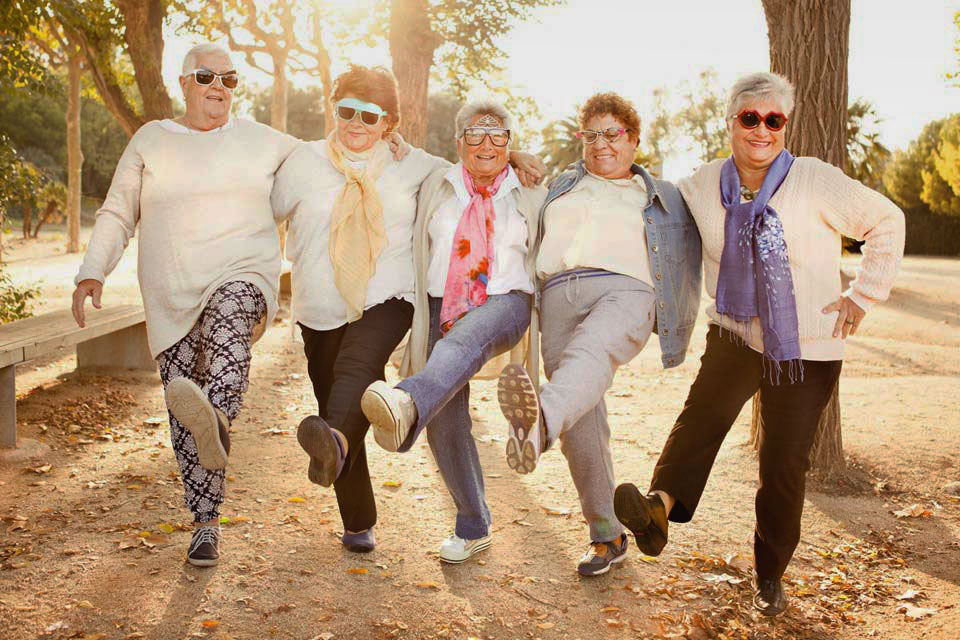
Move it or lose it
Never is the saying “move it or lose it” more relevant than when we’re older.
Age-related muscle wastage, known as sarcopenia, begins as early as 30. If we’re not physically active or ‘using it’ we can lose up to five per cent of our muscle mass a decade. This process speeds up after we turn 75, but it may start as early as 65.
Sarcopenia is a normal part of ageing. It’s as inevitable and unavoidable as grey hair and wrinkles, but it is possible to slow its progression by keeping active.
The importance of keeping active as we get older
Physiotherapist Shelly Andersen says daily exercise is vital as you get older. It can help you manage some chronic health conditions like strokes and arthritis as well as reduce your risk of falling. But where regular exercise can really come into its own as you get older is in helping you stay mobile and independent.
“It’s really important to maintain strength. If you can’t weight bear, you’re in trouble. You need muscle tone in order to weight bear, so you need to build up strength to keep you mobile,” says Shelly.
Your muscles need to be able to bear weight so that you can walk and run, but the ability to move can also affect other areas of your life that most of us take for granted.
“Mobility extends to other areas. If you can’t move your fingers or your hands you’ll struggle to even feed yourself,” says Shelly.
But mobility goes far beyond movement, it’s also about the mental wellness that comes from having the freedom to get out and about and do the things you love. Whether that’s cycling, playing golf or simply catching up with friends over a cup of coffee.
“It’s important for people to maintain mobility and strength so they keep their independence for as long as possible” says Shelly.
“If people are happy they’re going to want to succeed in life, they’re going to want to try new things, do more things, be willing to socialise. If their mobility goes down so does their morale. Happiness is hugely based around mobility and the way people think,” she says.
What types of exercise can help older people?
Exercise for older people is not about boot camp and spin class, but more about gently keeping your muscles and joints limber and strong. It’s also about keeping your heart and lungs strong.
It’s important to do activities you enjoy. Why not take part in some of our free wellbeing activities to keep you healthy and active? Or join a walking group as a great way to keep fit while also getting to know your neighbours? Or you could lap up the benefits of swimming by making the most of our onsite pool facilities. Swimming is a great activity to keep the body strong and healthy while avoiding injury as we get older.
Daily stretching and joint mobility exercises can help keep the body supple, while seated to standing exercises, and balance, are very important for core strength. The video below outlines some exercises specific to stability and flexibility that you could try.
This final video demonstrates some easy exercises to keep you on your feet, no matter what your age.
Before you try out any new activity or exercise routine, check in with your doctor or physiotherapist to make sure it’s OK for you to do. Even if you have a medical problem that affects your ability to exercise you may still be able to do it, but it may need to be modified to suit you.