Dry mouth (xerostomia)
By DR Mark Dohald | Principle Dental Officer
 5 minute read |
Published 23 September 2024
5 minute read |
Published 23 September 2024
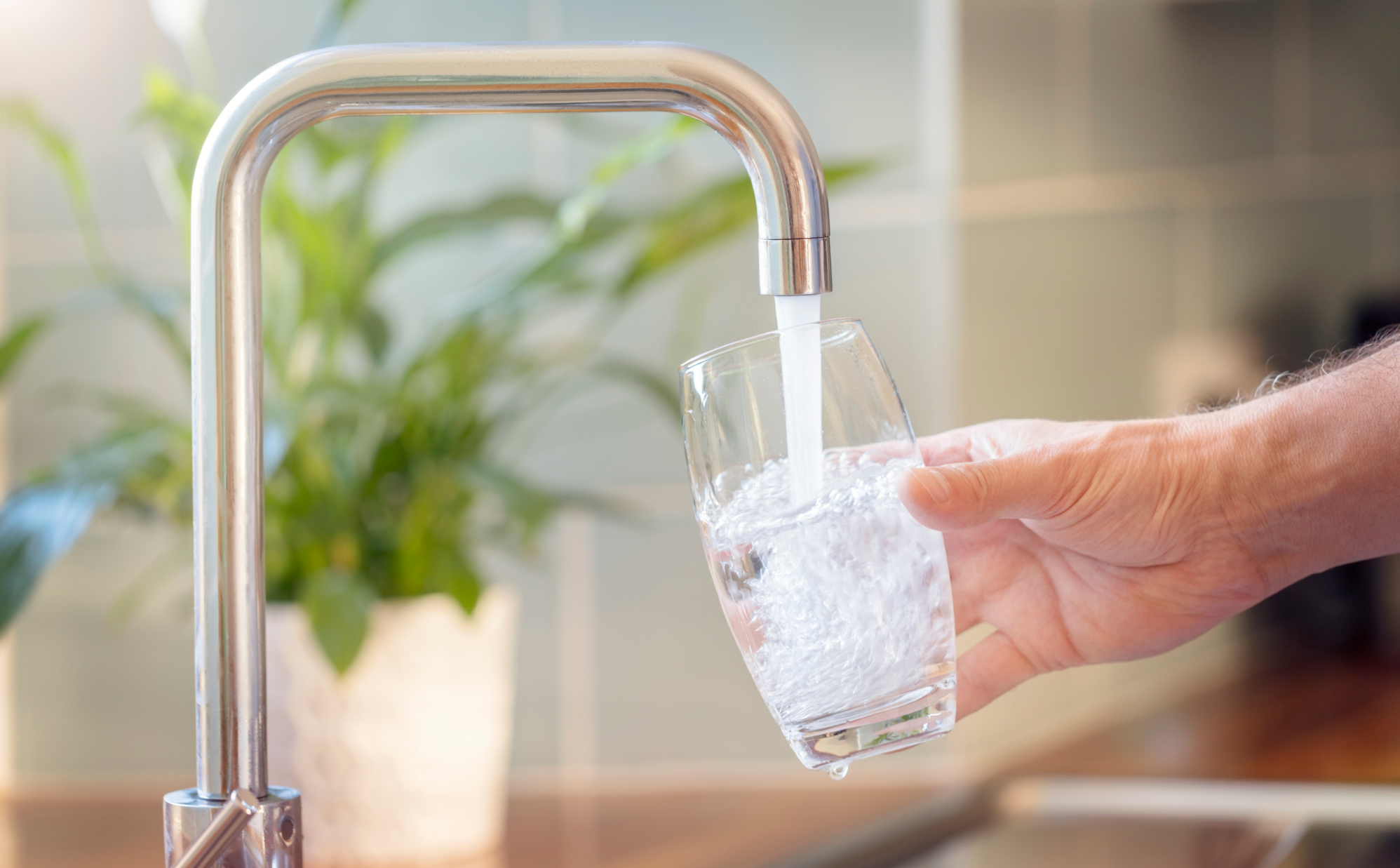
Xerostomia (dry mouth) refers to the sensation of oral dryness, which can result from diminished saliva production.
Patients may report dry mouth even in the absence of a measurable decrease in saliva quantity. A lack of normal salivary flow may lead to complaints of mouth dryness, burning sensation of oral soft tissues and swallowing difficulty.
Dry mouth occurs when you don't make enough saliva. This causes your mouth to feel dry and uncomfortable. Dry mouth that is ongoing may be a sign of illness and can lead to problems with your mouth and teeth.
What causes Xerostomia
The most frequent cause of hyposalivation is use of certain medications. This is called medication-induced xerostomia.
Dry mouth can have causes that aren't due to underlying disease. Examples include not drinking enough fluids, sleeping with your mouth open, dry hot weather, eating dry foods or side effects from medications.
These self-care steps may prevent or help treat this condition
- Sip water throughout the day.
- Use a humidifier once or twice a day, especially in your sleeping area at night.
- Having something in the mouth can trigger natural saliva production try sugar free candy, lozenges, or gum.
- Sip water between bites when eating. Adding condiments, soups, gravies, and sauces can help too.
- Avoid caffeine and alcohol.
- Try alcohol-free mouthwashes as alcohol can further dry out your mouth. Most kids’ mouthwashes are alcohol-free, and many brands have an alcohol-free option. Be aware however that mouthwashes can stain teeth.
- There are several dry mouth products available such as gels and rinses that can assist in comfort.
How can a dentist tell if you have dry mouth?
During an examination, a dentist will look for signs of xerostomia. For instance, your tongue and inner cheeks may look dry and textured rather than smooth, shiny and moist. To see how much saliva you produce, your dentist may dab around your salivary glands with a piece of gauze. They’ll also look for signs of cavities and gum disease, which can both occur because of dry mouth.
The main goal of dry mouth treatment is to increase saliva production. This will, in turn, reduce your risk for tooth decay and gum disease as saliva forms a buffer between your teeth and decay- and erosion-causing acids.
Dry mouth treatment depends on the underlying cause. For instance, if your provider suspects a medication is causing dry mouth, they will see if they can adjust your dosage. Or you might be able to switch to another medication altogether, but you should always talk to your healthcare provider before stopping a medication. If you developed dry mouth as a symptom of a health condition, treating the underlying issue may help.
If you experience any of the above symptoms, discuss them with your dentist at your next oral health checkup, don’t wait for problems to develop further.