Fixing crooked teeth
By DR Mark Dohald | Principle Dental Officer
 5 minute read |
Published 23 September 2024
5 minute read |
Published 23 September 2024
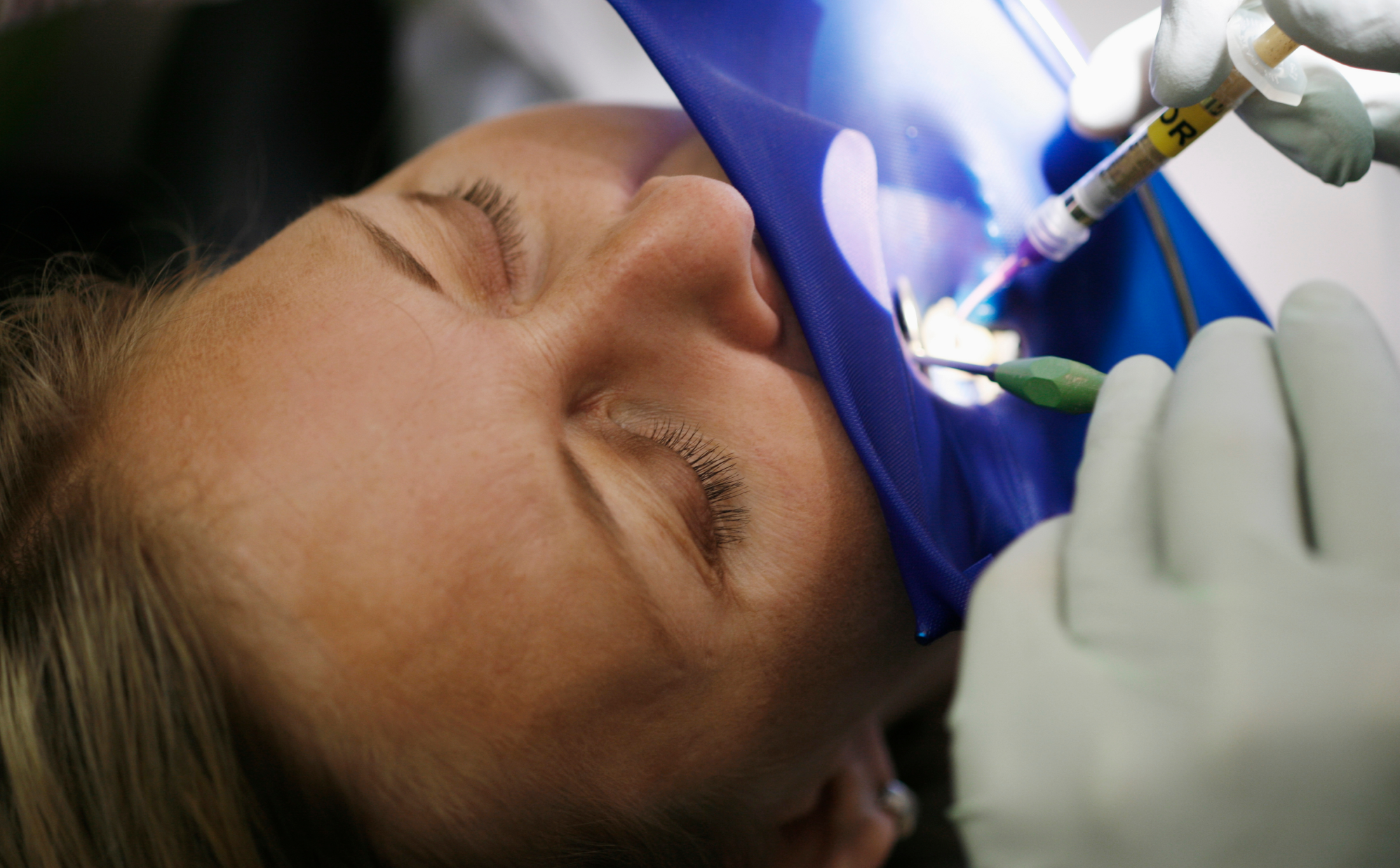
From a biological standpoint, there is not much that can be done about crooked teeth but let’s look at the causes and treatments available for people whose teeth are a little left of centre.
What causes crookedness?
Genetics Tooth crowding, jaw size, jaw shape, hyperdontia (too many teeth), overbites, underbites and poor tooth or palate development are all genetic factors that can contribute to misaligned teeth.
Poor oral hygiene habits: If you do not take time to brush and floss your teeth each day, plaque will build up on your teeth. The longer plaque builds up, the more irritated and inflamed the gums become. Eventually, this plaque build-up and gum inflammation can result in infection or gingivitis. If left untreated, gingivitis may lead to periodontal disease, which can cause your teeth to loosen, shift or fall out.
Early baby tooth loss: If you lost a baby tooth too early, some of your other teeth could have shifted into the area and crowded your permanent tooth as it came in.
Thumb sucking: If a thumb sucking habit continues after permanent teeth come in, your child may experience teeth alignment issues and other dental problems.
Malnutrition: Poor nutrition, especially in children, can result in tooth decay, impact dental alignment, and cause other serious health issues.
Tongue thrusting: Did you know that when you swallow, your tongue should press against the roof of your mouth behind your front teeth? If your tongue presses against your front teeth instead, it is called tongue thrusting. And if done over time, this habit can result in crooked teeth.
Mouth breathing: Mouth breathing, especially in children, can cause misaligned teeth.
Trauma: Sports injuries or other facial trauma can cause crooked teeth.
What are some oral health problems caused by crooked teeth?
Periodontal disease: It is often difficult to clean crooked teeth properly, resulting in tooth decay and gum disease. If gum disease progresses, it can lead to periodontal disease. Periodontal disease is an infection that can damage your teeth and bones.
Chewing and digestive problems: Misaligned teeth can interfere with chewing, causing potential digestive issues.
Excess wear: Cracked teeth, jaw strain, temporomandibular joint disorder and chronic headaches can result from excess wear due to crooked teeth.
Speech difficulties: Improper dental alignment can lead to speech difficulties.
Self-esteem issues: Some people with crooked teeth experience self-esteem problems, which can lead to social avoidance.
How can a dentist help with crooked teeth?
There are a variety of different options available for teeth straightening and the correct procedure for your needs can be decided on between you and your dentist. Here are some of the options available.
- Dental bonding or composite bonding.
- Tooth contouring.
- Dental veneers.
- Metal braces.
- Clear Braces
- Clear aligners.
If you have crooked teeth and you want to start exploring your options, book an appointment with your dentist.