Baby Teeth 101
By DR Mark Dohald | Principle Dental Officer
 5 minute read |
Published 23 September 2024
5 minute read |
Published 23 September 2024
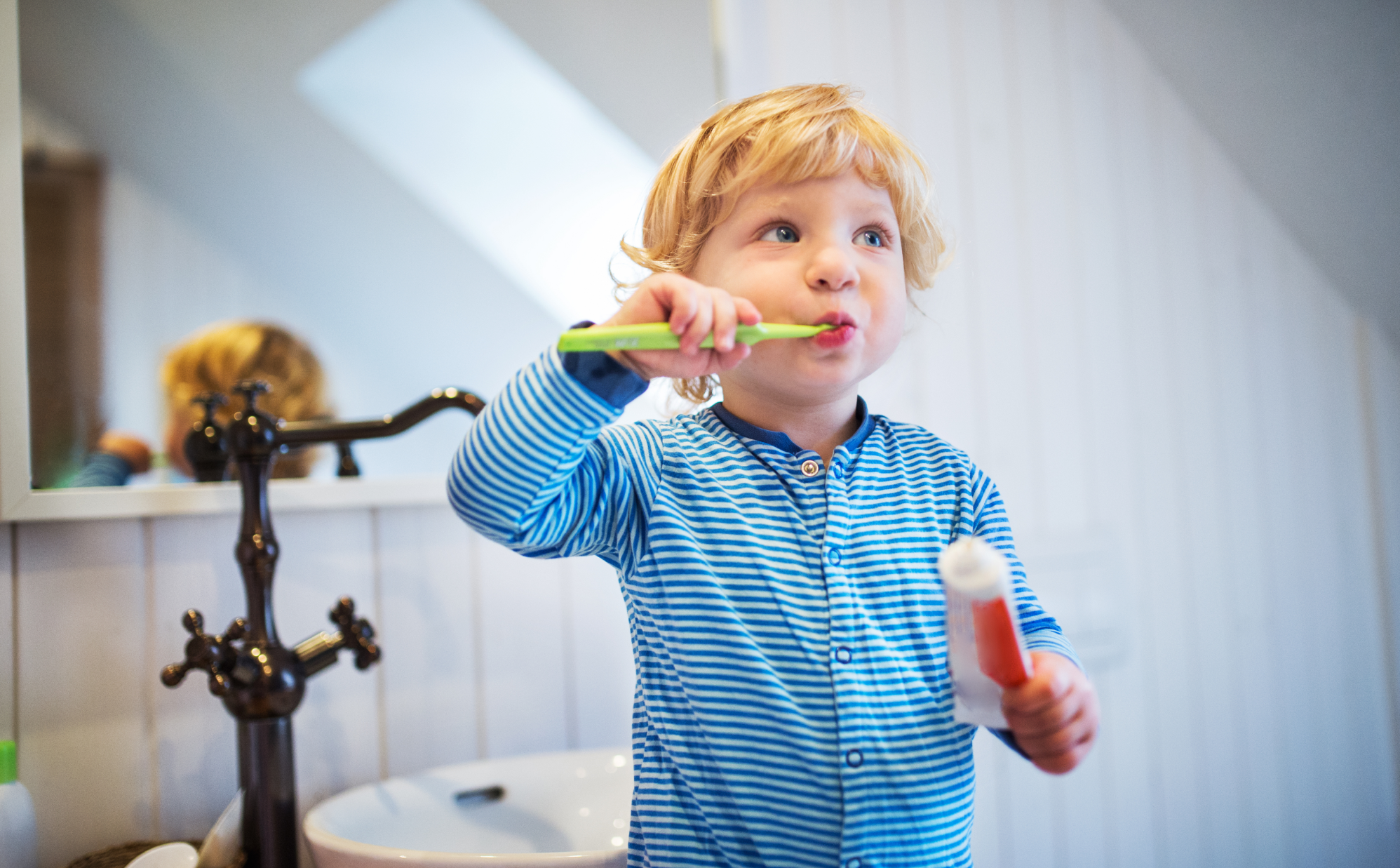
Teething can be a rough time for babies (and the family!) but you can help your baby find comfort while their pearly whites make their big debut by understanding teething symptoms. Everything from drooling and gnawing to fussiness. If your baby's teething symptoms get worse or don't seem to improve, call your doctor to rule out illness or infection.
Swollen gums
Swollen gums are a common teething symptom. If your child's gums are swollen and you can feel at least one tooth-sized lump, that means teething is in progress. When a tooth is moving and about to erupt through the gumline, the surrounding tissue can become tender and inflamed, leaving your baby with swollen, sore gums.
Chewing, biting, and sucking:
Because your child's gums are irritated, you might see them gnawing on just about anything—toys, cot rails, and even their own fists. Keep any objects they could choke on far out of their reach. Offer your baby a teething ring that they can safely gnaw on to help alleviate their discomfort. If you place the teething ring in the freezer for an hour, that may provide some extra relief.
Drooling
It's a bit of a mystery why teething babies produce so much saliva. However, the theory is that the increase of muscle movement in the mouth during this teething period simulates chewing, activating the salivary glands. Excess saliva during teething periods is not a concern but you might want to put a teething bib on your baby to protect their clothing.
Drool rash or mouth rash
Continual wetness from excess drooling can cause a rash around the mouth, chin, or neck. Drool rashes are harmless, although they can feel tender and uncomfortable for babies.
To prevent a drool rash—or to help clear one up—wipe up drool whenever possible. Create a barrier on the skin by applying petroleum jelly, which can help keep moisture in and prevent drool from sitting on the skin. A cream containing zinc oxide can provide relief as well as speed up healing.
Irritability and nighttime fussiness
Not surprisingly, teething makes many babies crankier and fussier than usual. Teething babies may be edgy or hard to settle at naptime and bedtime because of throbbing gums, but it's a dull pain, so you can usually distract them during the day.
Decreased appetite
Many babies lose their appetite and refuse to eat or drink while teething. This teething symptom is usually short lived and should ease once the tooth has erupted.
Low-grade fever
Sometimes babies can develop a mild fever if they’re teething. If you’re worried, always consult a medical professional.
Teething can be a challenging time but it’s a phase that will end when your baby has a full set of established teeth.